

Class 4 laser treatment is changing the method chronic conditions are treated, providing a minimally invasive and efficient option for pain management and healing. As healthcare providers increasingly utilize these advanced laser devices into their practice, grasping the key features and specifications becomes important for achieving the best results. With multiple devices on the market, selecting the right Class 4 laser therapy system can be daunting. This article will guide you through the key factors to consider, ensuring that you make an informed choice tailored to your unique needs.
From power output and wavelength selection to portability and safety compliance, each aspect plays a vital role in the success of laser therapy. We will examine the intricacies of these features, including the significance of adjustable power settings, treatment protocols, and the role of cooling systems. With insights from clinical applications to user reviews, this thorough look at Class 4 laser therapy devices will provide you with the knowledge essential to enhance treatment outcomes for your patients and clients.
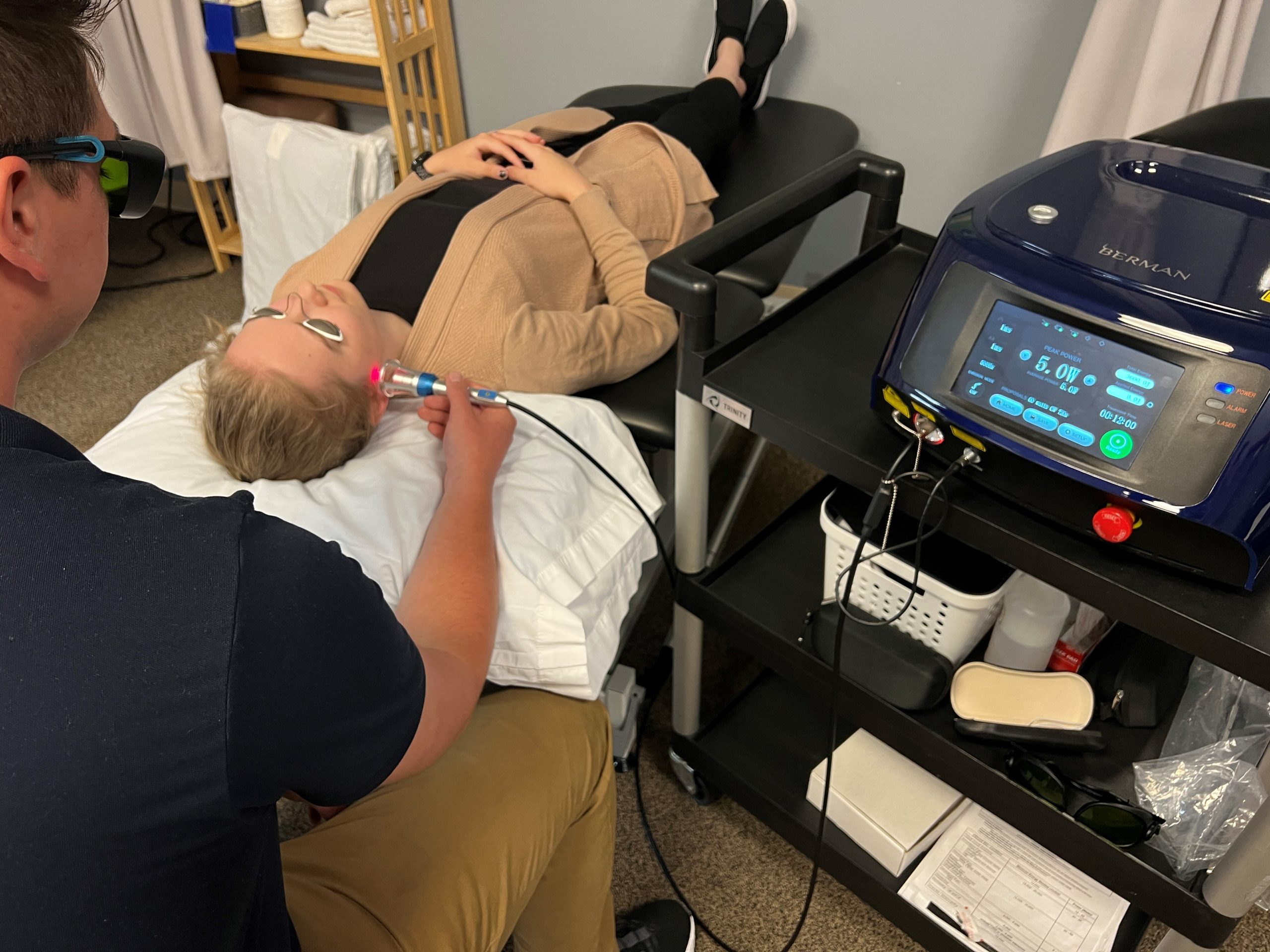
Key Features of Class IV Laser Therapy Devices
Class Four laser therapy devices are designed to deliver effective treatment for a range of chronic conditions. One of the key features to consider is the power output of the device. Class IV lasers typically have a energy output ranging from 0.5 to 25 watts, allowing enhanced tissue penetration and more rapid healing times. This high power output helps to stimulate cellular repair processes more effectively, making it a essential aspect in selecting the right laser for effective therapy.
Another important feature is the frequency of the laser. Different wavelengths penetrate tissues to multiple depths, affecting the effectiveness of the treatment. Common wavelengths used in Class Four lasers include between 630 and 850 nanometers, which are effective for promoting healing and reducing inflammation. Grasping the specific wavelength and its therapeutic benefits can guide users in selecting the most appropriate laser for their treatment needs.
Portability and construction of the device should also not be overlooked. While portable Class 4 lasers can provide increased power and stability, portable versions are perfect for practitioners who travel or require flexibility in their treatment locations. Additionally, design play a crucial role in easy-to-use operation. Devices should be lightweight and easy to handle, ensuring that healthcare providers can administer treatments without exertion, thereby enhancing the total efficiency and effectiveness of Class Four laser therapy.
Comprehending Output Power and Wavelength in Laser Treatment
The output power of a Class IV laser therapy device plays a key role in its efficacy. Usually measured in units of power, greater power settings allow for amplified energy delivery to the targeted tissue, allowing for more profound penetration and encouraging healing processes more efficiently. However, it's essential to balance the power with treatment duration, as too much energy can possibly cause tissue damage. Determining the optimal power setting can improve pain relief and facilitate faster recovery for long-term conditions.
Wave Length is another important factor in the efficacy of laser therapy. Various wavelengths pass through tissue to different depths and engage with cellular components in various ways. For instance, wavelengths in the near-infrared range (around 800-980 nm) are beneficial for profound tissue treatments, while those in the visible spectrum can be better for superficial concerns. Selecting the suitable wavelength is essential for addressing specific conditions and optimizing treatment outcomes.
To maximize the advantages of Class 4 laser therapy, it's important to grasp the relationship between power and wavelength. Higher power levels combined with the appropriate wavelength can considerably amplify therapeutic effects, providing rapid pain relief and promoting tissue regeneration. Therefore, when selecting a device, take into account how both power output and wavelength align with the specific conditions being treated to provide the best possible results.
Security, Adherence, and User Considerations
When selecting a Class 4 laser therapy device, protection elements play a vital role in ensuring both practitioner and client protection. Key elements to take into account include the availability of protective eyewear, auto shutoff systems, and explicit marking of laser output levels. Devices should also come with comprehensive safety instructions to prevent abuse during treatment. click site with global safety standards, such as those established by the FDA and additional regulatory bodies, is essential in verifying that the device is appropriate for clinical use.
User considerations are similarly important, particularly in relation to training and support. Many producers provide comprehensive training programs aimed at instructing practitioners on secure usage and effective use of the therapy device. It is crucial to evaluate the level of assistance and resources available from the manufacturer, including instruction guides, online tutorials, and support services. This support can significantly influence the effectiveness of the treatment and the trust of the user.
Finally, grasping conformity with rules is vital for maintaining a reputable practice. Practitioners should ensure that their Class 4 laser therapy devices are FDA cleared or otherwise adhering with appropriate medical device regulations. This not only fosters trust with patients but also contributes to the overall effectiveness of the treatment protocols executed. In a quickly changing field, staying abreast on regulatory changes and advancements in laser technology boosts a practitioner’s ability to deliver safe and effective care.